Melatonin Safety for Children: What Parents Need to Know About Overdoses, Dosing, and Drug Interactions


A recent study shows that melatonin overdoses have risen a whopping 530% in the last ten years, with a more rapid rise since the COVID-19 pandemic began. As a parent and a sleep physician, this is concerning to me. Parent who give their children melatonin need to be aware of the risks. Here’s what parents need to know.
Melatonin has become one of the most common causes of emergency room visits for children under five. A study of emergency visits estimated that 7% of all visits for accidental ingestions were due to melatonin in children less than age 5, with about half of those coming from ingestions of melatonin gummies.
A recent systematic review by Kracht et al in 2026 confirms that the increase in usage in children is global, and points out that there is no good efficacy data for children under age 6, and only two trials looking at melatonin use in children. Thus, young children are more likely to overdose on melatonin than receive any proven benefit.
How melatonin overdoses took over the emergency room
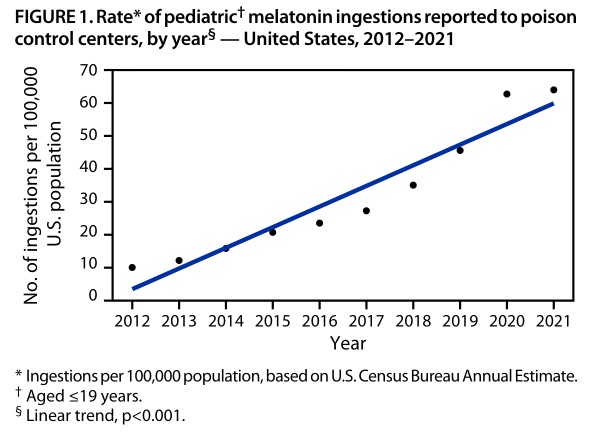
The first warning signs of this came from a study by Lelak published in 2022. The study, Pediatric Melatonin Ingestions— United States, 2012-2021 (Lelak, K., 2022. Pediatric Melatonin Ingestions — United States, 2012–2021. MMWR Morb Mortal Wkly Rep 71. https://doi.org/10.15585/mmwr.mm7122a1) In it, the authors reviewed poison control center data from the last ten years.
Who is overdosing on melatonin?
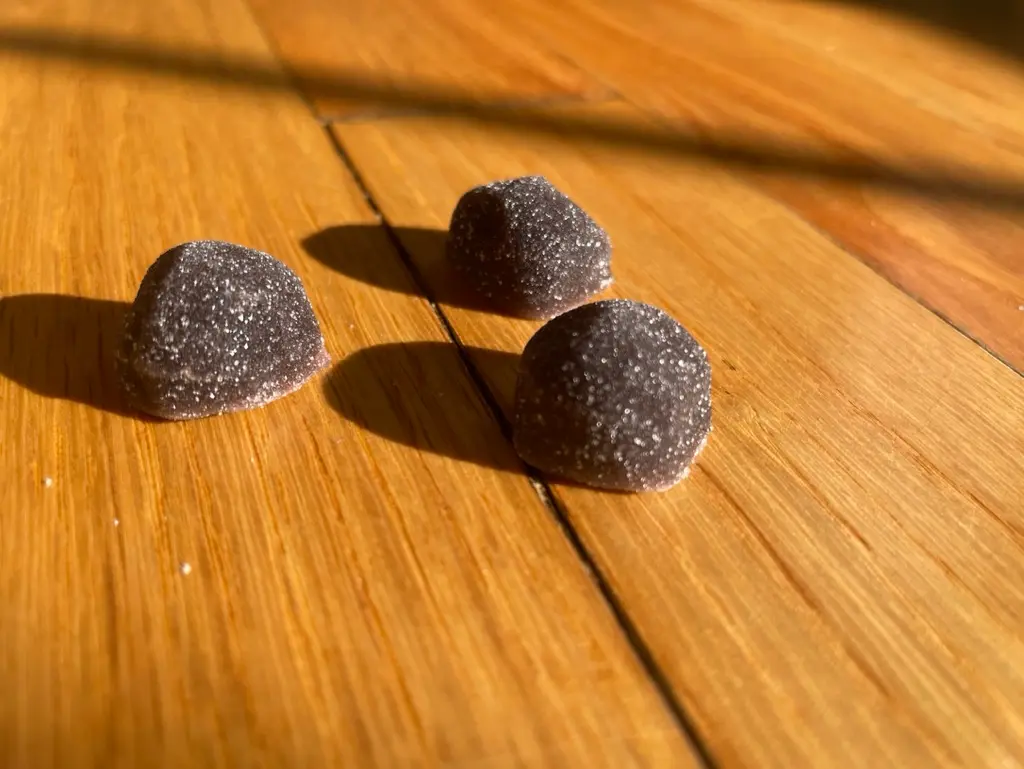
Risk factors included male gender and being less than <5 years of age. The vast majority of the ingestions occurred and were managed at home. A follow up study published in 2024 showed that 7% of ALL emergency room visits were for children <5; 47% of those ingestions were associated with gummy preparations. It turns out, if you make medicine look and taste like candy, young children will treat it as such.
In the Lelak study, 10.7% of ingestions were managed at health care facilities (hospitals, doctor's offices, etc.). Of this group, 14.7% were hospitalized, with 1% requiring an ICU stay. (To put this in perspective, 1.5% of cases were hospitalized and 0.1% ended up in the ICU). Most hospitalized patients were teenagers with intentional ingestions. It's important to note that, generally, a teenager who is suicidal and intentionally ingestions anything will be hospitalized for safety and assessment, so "hospitalization" does not necessarily reflect the danger posed by melatonin, but more the presence of suicidal intent. The largest increase in hospitalizations, however, was in children less than age 5.
Melatonin ingestion frequency has increased by 530% in the last ten years, with a marked increase since 2020.
A total of 260,435 reported ingestions occurred in the last ten years. These represent 2.25% of all ingestions reported during the same period. In 2012, melatonin accounted for 0.6% of reported ingestions, whereas it accounted for 4.9% of reported ingestions in 2021.
More serious ingestions were also noted.
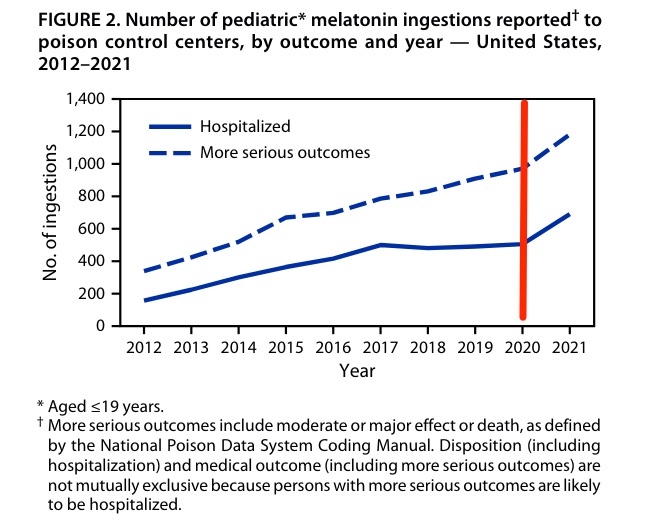
In the study, 10.7% of ingestions were managed at health care facilities (hospitals, doctor's offices, etc.). Of this group, 14.7% were hospitalized, with 1% requiring an ICU stay. (To put this in perspective, 1.5% of cases were hospitalized and 0.1% ended up in the ICU). Most hospitalized patients were teenagers with intentional ingestions. It's important to note that, generally, a teenager who is suicidal and intentionally ingestions anything will be hospitalized for safety and assessment, so "hospitalization" does not necessarily reflect the danger posed by melatonin, but more the presence of suicidal intent. The largest increase in hospitalizations, however, was in children less than age 5.
Two deaths were reported, one in a 13 month old and one in a 2 month old. Both deaths occurred in the home; as per the authors, "one ingestion involved intentional medication misuse, the reason for the other is unknown."
Why are more children having overdoses?
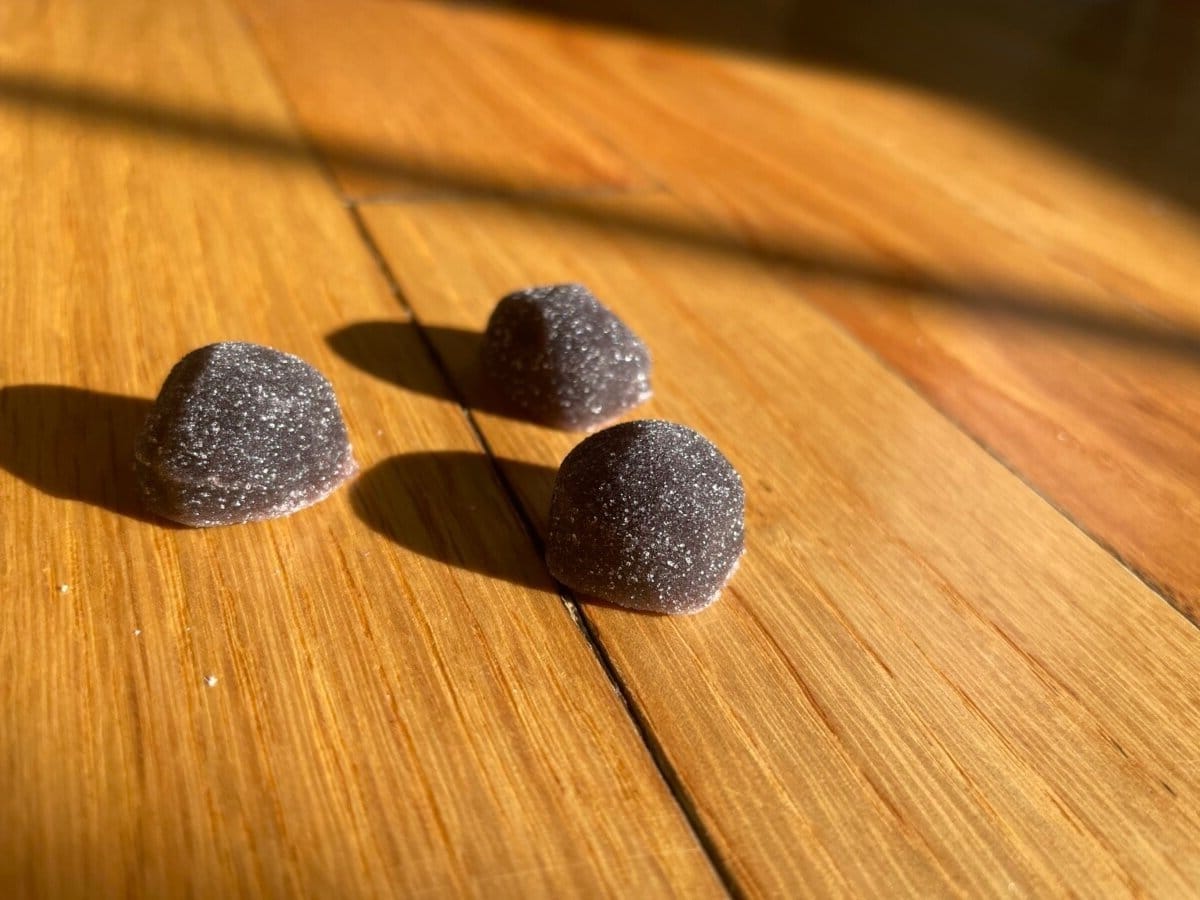
- Gummy preparations: Almost half of the children presenting to the Emergency Room with accidental melatonin ingestions had consumed a gummy preparation. It turns out, if you make medicine look and taste like candy, young children will treat it as such.
- Sleep problems became worse during the pandemic: I’ve covered this elsewhere, but many children and adults were sleeping poorly during this stressful time. (I wrote about this here and here and here). Many people are still struggling. If someone in your house is struggling with insomnia, you are more likely to have melatonin in your home. Although we are six years out from the pandemic (at the time of this update), melatonin use only continues to rise.
- Melatonin preparations DO NOT require child proof packaging, although manufacturers can voluntarily implement this. This is because melatonin is not listed in the federal statue on what supplements require child-proofing (16 CFR Sect. 1700.14; 38 FR 21247, amended in 41 FR 22266; and 48 FR 57480.) Note that this statue was last updated in 1983, well before melatonin was widely available.
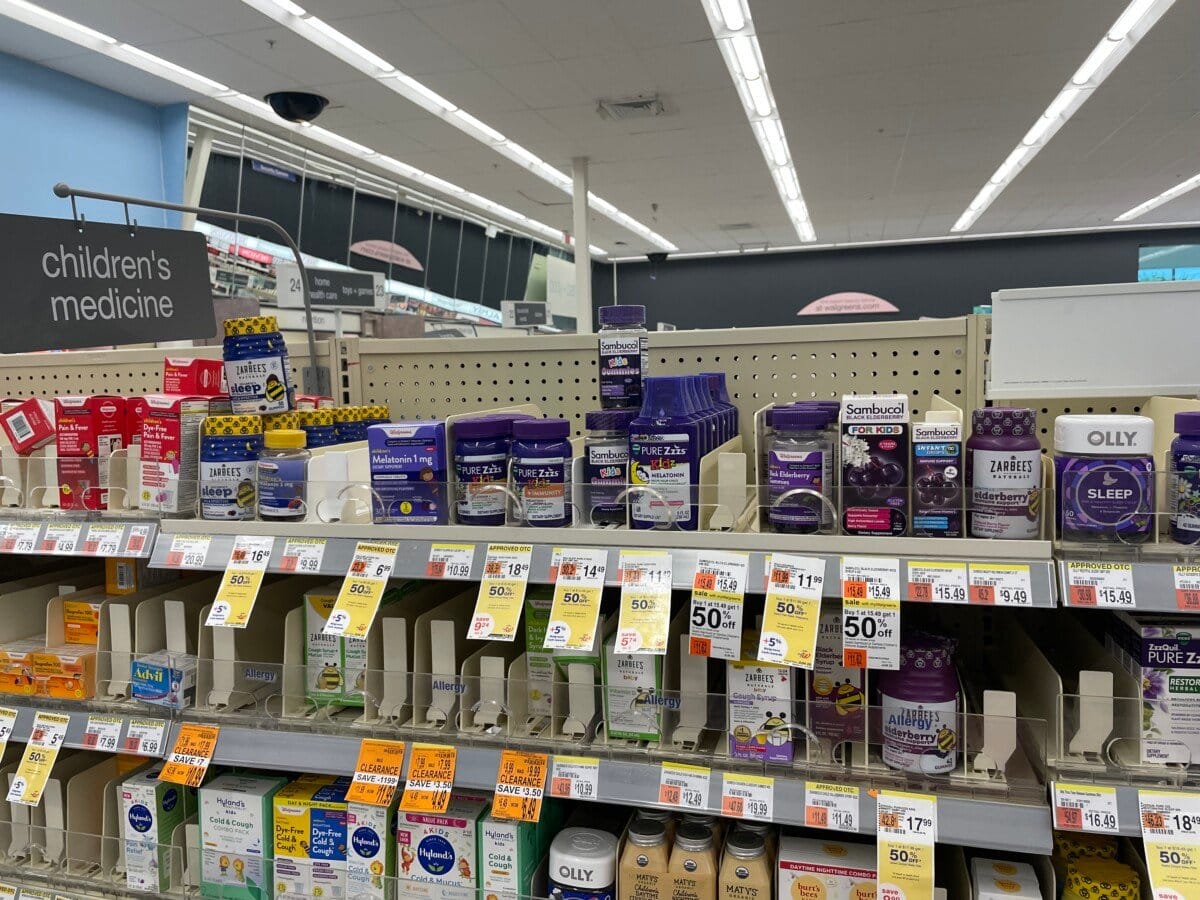
- Melatonin is heavily marketed towards parents. Go down the aisle of your drug store and take a look. In my local drug store, the top row of "Children's medicine" is melatonin preparations marketed to parents. This placement is not by accident. The top row in retail (like endcaps at the end of aisles) is reserved for high profit or popular products). Check out what I call the "Purple Aisle" of my local pharmacy and see how melatonin has taken over.
Melatonin preparations in the US are poorly regulated
In the United Kingdom, it is prescription only. In Canada it is an OTC medication. In Australia, it was down scheduled for adults over 55 for doses <= 2 mg, for adults aged 55+ with primary insomnia. For children, melatonin remains prescription only, and for insomnia in children with autism or Smith-Magenis syndrome.
| Country | Regulations | Prescription/Non-prescription | Comments |
|---|---|---|---|
| United States | Considers all supplements safe until proven unsafe. Not regulated prior to market availability. | Non-prescription dietary supplement | FDA not required to test new ingredients/supplements in clinical trials. |
| Canada | Medications fall under the Food and Drug Regulations issued by the Canadian Government | Non-prescription health product | Must contain Natural Product Number. |
| European Union | Medications are regulated through the European Regulatory Network, which consists of 50 regulatory authorities from across Europe | Prescription for sustained release; less than 2 mg immediate release has variable status based on country | European Medicines Agency has set specific guidelines for use. Some countries, such as Poland, consider melatonin non-prescription |
| Non- EU Countries In Europe (e.g Norway) | Medications are regulated by the Norwegian Medicines Agency | Prescription | |
| United Kingdom | Follows the European Union Guidelines | Prescription | |
| Taiwan | Medications are regulated under the Pharmaceutical Affairs Act | Controlled-substance |
Regulations of melatonin per country. Source: Skrzelowski, M., Brookhaus, A., Shea, L.A., Berlau, D.J., 2021. Melatonin Use in Pediatrics: Evaluating the Discrepancy in Evidence Based on Country and Regulations Regarding Production. The Journal of Pediatric Pharmacology and Therapeutics 26, 4–20. https://doi.org/10.5863/1551-6776-26.1.4
The result is that melatonin preparations are of poor quality in the US
Here in the US, melatonin is considered a food supplement, and quality control is poor. An oft sited study showed that the amount of melatonin can vary anywhere from -83% to +478% from the labeled dose. This means that if you are giving your child a dose of 3 mg, the actual dose may actually be anywhere from 0.5 mg to 14 mg. Moreover, the lot to lot variability was as high as 465%– meaning that you may buy a different bottle of medicine, from the same manufacturer, and still one bottle may have more than four times as much as melatonin as another, Finally, the researchers found serotonin (a medicine used in other conditions, and also a neurotransmitter) in 71% of samples. Here's a table from a great article on this topic. Another study looked specifically at melatonin and CBD gummies had wildly inaccurate labeling in terms of the amounts of both melatonin and CBD.
Another problem: parents don’t know how much melatonin they are giving their kids.
When families come to see me in Sleep Clinic, the child is often taking melatonin. Often the parents do not know the dose. “How much he is taking?” “One milliliter” “Two pills” etc. I usually have to have them look at their Amazon purchase history or do an image search for, say, "liquid melatonin" to see if they recognize the bottle.
What are common melatonin drug interactions?
Melatonin has several significant drug interactions.
Table 1 — Drugs That Affect Melatonin Levels (CYP1A2 Interactions)
Melatonin is metabolized by the liver enzyme CYP1A2. Substances that inhibit or induce this enzyme can change how much melatonin is active in your child's body.
| Effect | Substances |
|---|---|
| Inhibitors (increase melatonin levels) | Tricyclic antidepressants, fluvoxamine, diazepam, cimetidine, ciprofloxacin, oral contraceptives, caffeine |
| Inducers (decrease melatonin levels) | Carbamazepine, omeprazole, grilled meats, cruciferous vegetables, smoking |
Table 2 — Melatonin–Drug Interactions
| Drug Class | Interaction |
|---|---|
| Anticoagulants / anti-platelet drugs | Melatonin may increase bleeding risk |
| Anticonvulsants | Melatonin may reduce anticonvulsant effects and increase seizure frequency |
| Antihypertensives | Melatonin may reduce antihypertensive effect and raise blood pressure |
| Diabetic medications | May affect blood glucose levels |
| Immunosuppressants | Melatonin may interfere with drug action |
| Sedating medications (benzodiazepines, hypnotics) | Melatonin may increase morning drowsiness |
What are the side effects of taking too much melatonin?
They include sleepiness, delirium, nausea, vomiting, night time awakenings, dizziness, irritability, and bedwetting.
What if I’m worried my child may have taken too much melatonin?
Call the national Poison Help Hotline at t 1-800-222-1222. A medical provider will come on the line and help you.
How can children safely use melatonin?
Note that many of these tips are taken from the invaluable International Pediatric Sleep Association materials on melatonin.
- Please talk to your child’s pediatrician. Although melatonin is natural (in that our bodies make it) it has side effects like any other medication. Your doctor NEEDS to know if your child is taking this.
- Keep it in a safe place. My 14 yo comes to us when he wants melatonin. So should your child. This is especially important if there are young children in your home. Always keep the medication in a safe place in a child-proof container.
- Check for hidden melatoinin: Many overtthe counter products such as night time cough syrups may have melatonin on the medication list.
- If possible, buy melatonin with third party testing. USP verified medications have had some testing. I also really like the testing at Consumerlab which is updated regularly.
- Know the correct dose, in milligrams. The current recommendations are dosed via age although other factors may come into play. I have a complete melatonin dosing calculator to help you select a safe dose.
- Don’t give melatonin to your child if he/she/they are less than age two. Safety data is lacking in that age group. You shouldn’t use it in younger kids without input from an expert— someone like your pediatrician, or a doctor specializing in sleep disorders. Most kids under three will respond well to a behavioral sleep intervention.
Want to learn more about melatonin?
If you want to learn more, I have a melatonin guide for parents how it works, what the evidence is for it, and how it should be used.
Originally published April 2026. Last reviewed/updated by Dr. Craig Canapari, MD in May 2026
No spam, no sharing to third party. Only you and me.